One disc is enough to try.
A putter works for putting and short throws. A neutral-to-understable midrange is another useful one-disc starting point for a short course.
Start with puttersNew to the course?
Your first discs. Your first round. A little less guesswork.
Start with one comfortable putter or a forgiving midrange. Learn a few simple throws, then add discs when you know what you want them to do.
You can play a short course with one disc. A full bag can wait.
The quick answer
Learn a small selection before buying lots of different discs. Keep your first choices comfortable, manageable and affordable.
A putter works for putting and short throws. A neutral-to-understable midrange is another useful one-disc starting point for a short course.
Start with puttersUse a putter near the basket and a midrange for controlled longer throws. Spend time learning those two before adding more.
Explore midrangesA slower fairway driver can come later. If a fast driver dives away from your intended line, return to a slower disc and a smoother throw.
See the next stepYour first discs
Available discs with slower speeds and a gentle recorded finish. Start with one role; you do not need to buy from every section.
Pick one disc from either section below. A putter or a midrange is enough to try a short course.
Showing discs up to 25,00 € each.
Different molds appear before repeated versions. Open a product to check its photograph, grip, plastic and listed weight.
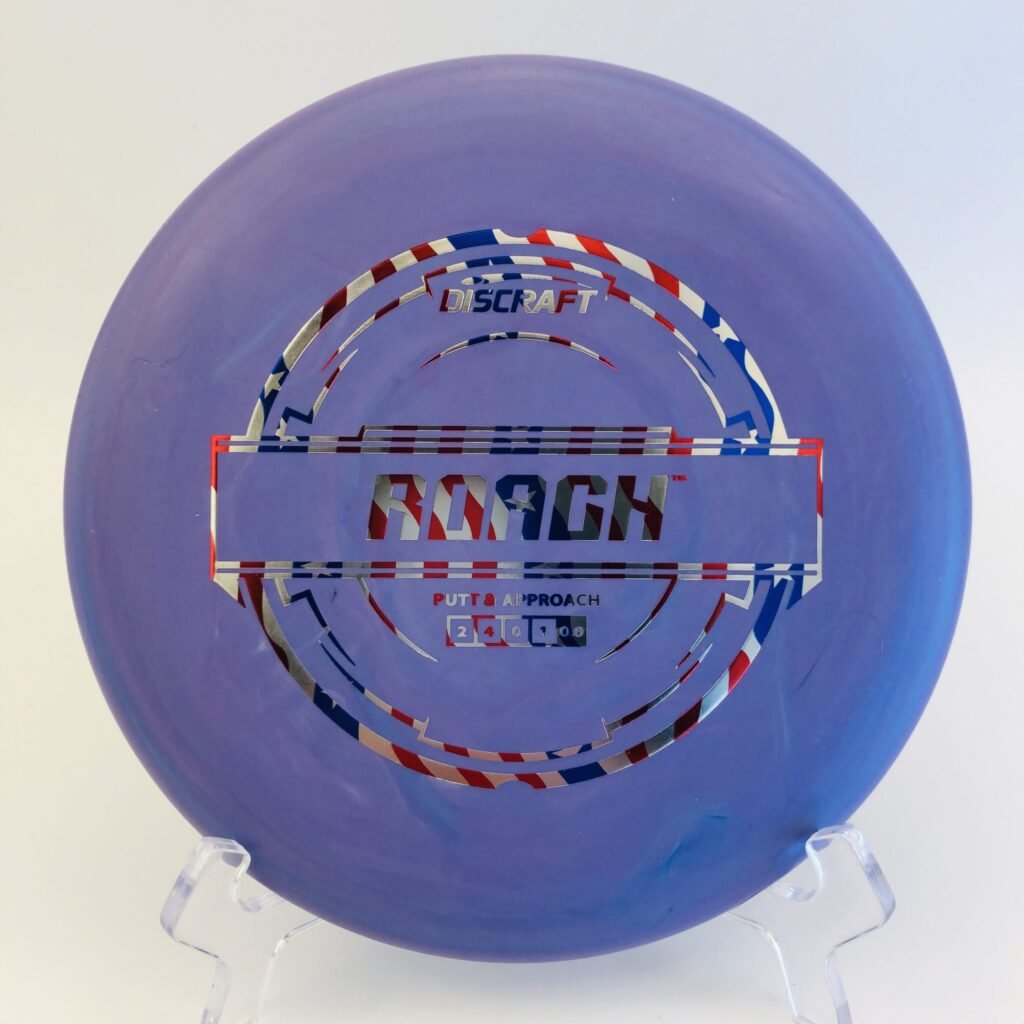
For putting and short throws. Choose a comfortable rim and grip; you can practise a whole short course with one.
Why this choice Speed 2 for putting and short throws; fade 1 indicates a gentler rated finish.
Why this choice Speed 2 for putting and short throws; fade 2 indicates a gentler rated finish.
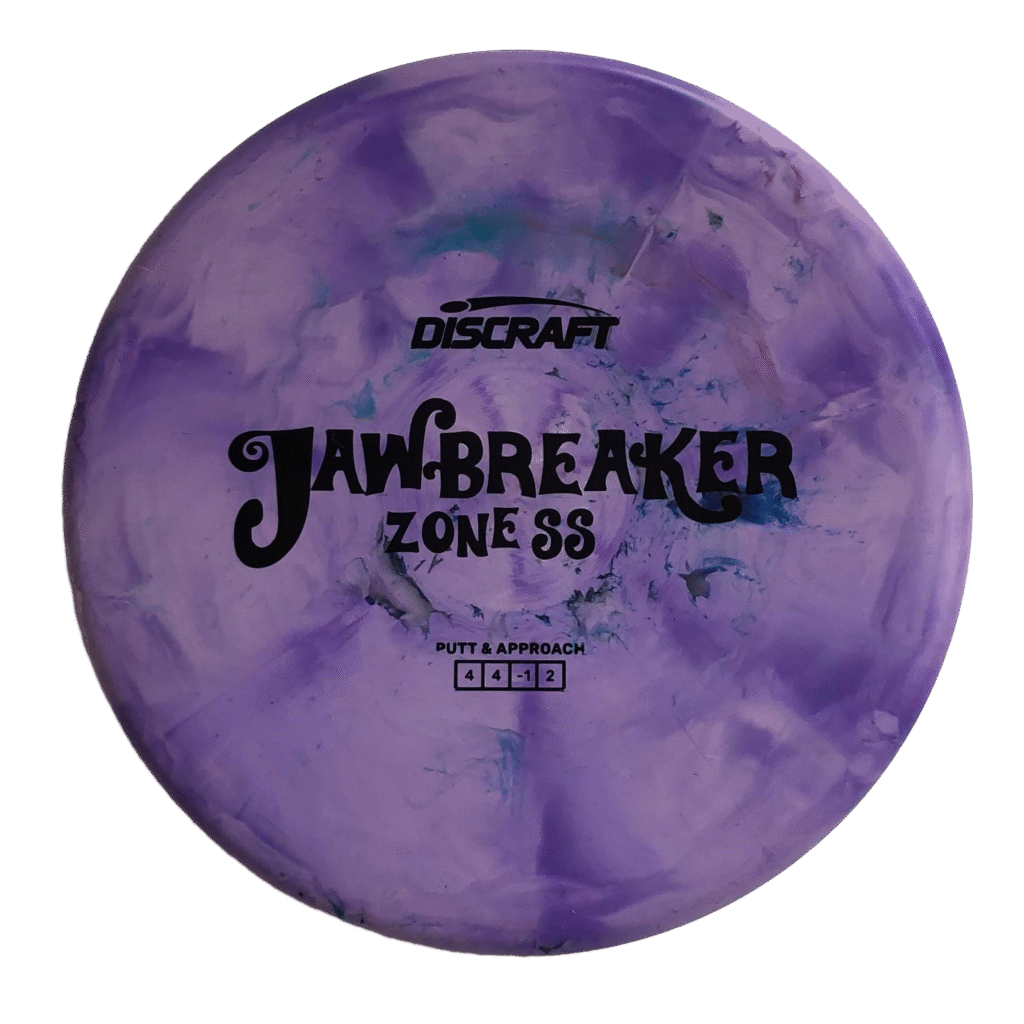
For learning controlled throws from the tee and fairway. These slower discs have a gentle recorded finish; you do not need a driver to tee off.
Why this choice Speed 4 for controlled practice throws; fade 2 indicates a gentler rated finish.
Why this choice Speed 5 for controlled practice throws; fade 1 indicates a gentler rated finish.
We look for available individual discs with recorded speeds of 1–3 for putters, 4–6 for midrange choices and 6.5–7 for the optional slower driver. The recorded turn is −3 to 0 and fade is 0–2. These are shopping guidelines, not a guarantee of how a disc will fly for you.
The selection updates as products are listed or sell. Mystery products, sets, preorders and junior discs are left out. Products with missing flight data or conflicting disc types wait for review. The budget is per disc; lighter choices need a stated upper weight of 169 g or less.
Read the disc, simply
Flight ratings describe intended flight. They are useful for comparison, but your throw, the wind, the weight and the plastic all affect the result.
Example: the Buzzz. Read these pink boxes from left to right, just as on a product card.
For a right-handed backhand, turn generally moves right and fade left. Reverse those directions for a left-handed backhand or right-handed forehand. Ratings are not precise measurements of your throw.
Turn describes drift during the faster part of a throw. Fade describes the finish as the disc slows. These directions depend on how you throw.
Right-handed backhand: turn tends right; fade tends left.
Illustrative, not a flight prediction. This is not a measured Buzzz flight. Wind, release angle and throwing power change the result.
Lighter discs can be easier to get moving. They can also move around more in wind. A comfortable putter need not be ultra-light; hand feel and control matter.
The shop’s lighter option means a listed upper weight of 169 g. For a child or a very low-power throw, junior discs may be a better separate choice.
Choose a price you feel comfortable throwing near trees. A special edition is not automatically easier to throw. Grip and comfort are more useful first priorities.
Feel the rim if you can. Basic blends can be a good place to start; compare the exact product’s plastic and grip rather than choosing by color alone.
From shopping to playing
You are learning where the disc goes. Start on a short course or a quiet practice area and keep the aim simple.
Start each hole at the marked tee and aim for the basket. Continue from where your previous throw landed, following the course markings. Count every throw and finish with the disc resting in the basket. The aim is to complete the course in as few throws as you can.
Choose a reachable gap or patch of fairway. Throw smoothly from a standstill before adding a run-up.
Notice the release angle, the curve and where the disc lands. Try the same throw again before changing discs.
Practise close to the basket, then step back gradually. Building a repeatable motion matters more than one long attempt.
Wait until the landing area is clear. Follow the course signs, respect other park users and keep track of your discs.
Comfortable shoes, water and a small towel are useful. Carry your discs in an existing bag; a specialist backpack and extra gear can come later.

Before your first round
A few clear answers, so you can spend more time playing.
One putter or midrange is enough to try a short course. A putter and a forgiving midrange make a useful first pair. Add a slower fairway driver later if you want another option; a full bag is optional.
Choose a comfortable putter for putting and short throws, or a neutral-to-understable midrange if you want one disc for a first round. Look for a manageable speed, a gentle finish and a price you are happy to practise with.
Not automatically. Speed describes the kind of throw a disc is designed for, not the distance it will give you. A slower disc that follows your intended line is a better starting point than a fast driver that finishes sharply early.
A lighter disc can be easier to get moving, particularly for a developing throw or lower power. It can also react more to wind. Hand comfort and control matter too. The lighter-disc filter uses a listed upper weight of 169 g; it does not claim that every beginner needs that weight.
No. A comfortable, affordable disc is enough to learn with. Simpler plastic blends can offer useful grip; more durable blends can be worth considering for frequent wooded rounds. A special stamp or a higher price does not automatically make a disc easier to throw.
For a right-handed backhand, a disc commonly finishes left as it slows. A high-speed or strongly fading disc can make that finish feel early. Try a slower disc, a smooth standstill throw and a level release. Left-handed backhand and right-handed forehand throws generally finish the other way. Wind and release angle also affect the result.