



Why the Zone is the undisputed king of the approach?
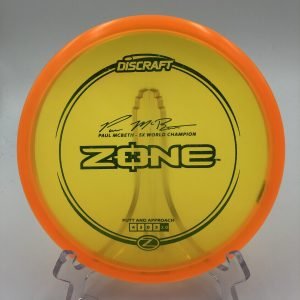
If there is one disc that has truly redefined the modern approach game, it’s the Discraft Zone. Ask any serious player what their “security blanket” disc is, and nine times out of ten, they’ll point to the Zone. Since its arrival, it has become the absolute benchmark for overstable approach discs—the one Paul McBeth and Brodie Smith reach for when the pressure is on and the landing zone is tight.
The magic of the Zone isn’t just its “beefy” stability; it’s the pure predictability. It is a low-profile, beadless wonder that fits perfectly in the hand for both backhand and forehand shots. When you need to park a shot within 50–80 meters and you can’t afford to let the wind push you around, the Zone is the only answer. It doesn’t care about your arm speed or the weather; it just wants to get to the ground.


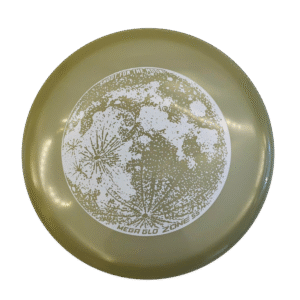


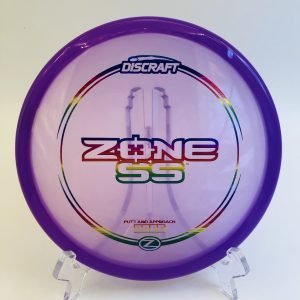
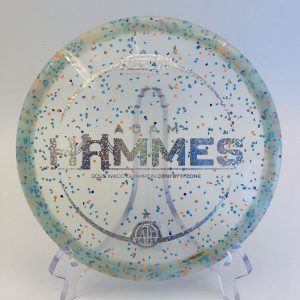
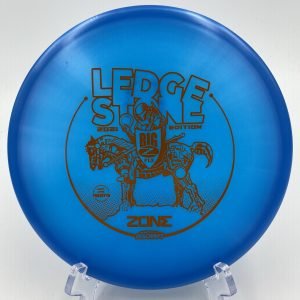

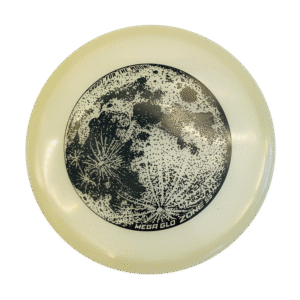
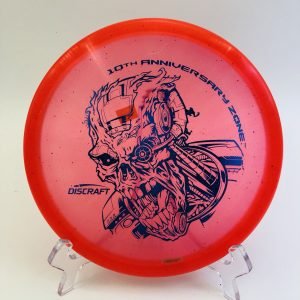



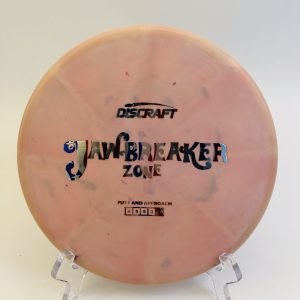

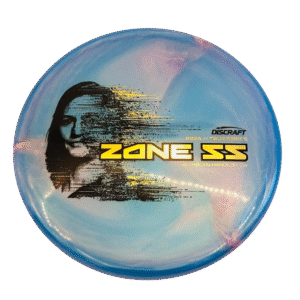
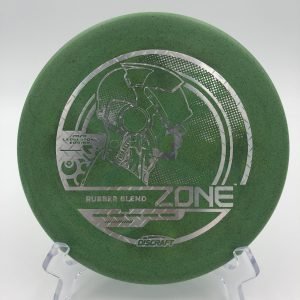
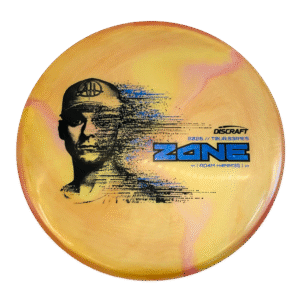


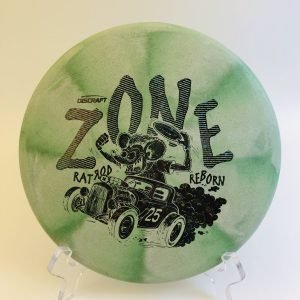

ZONE Flight: Beef, Bravery, and Predictability
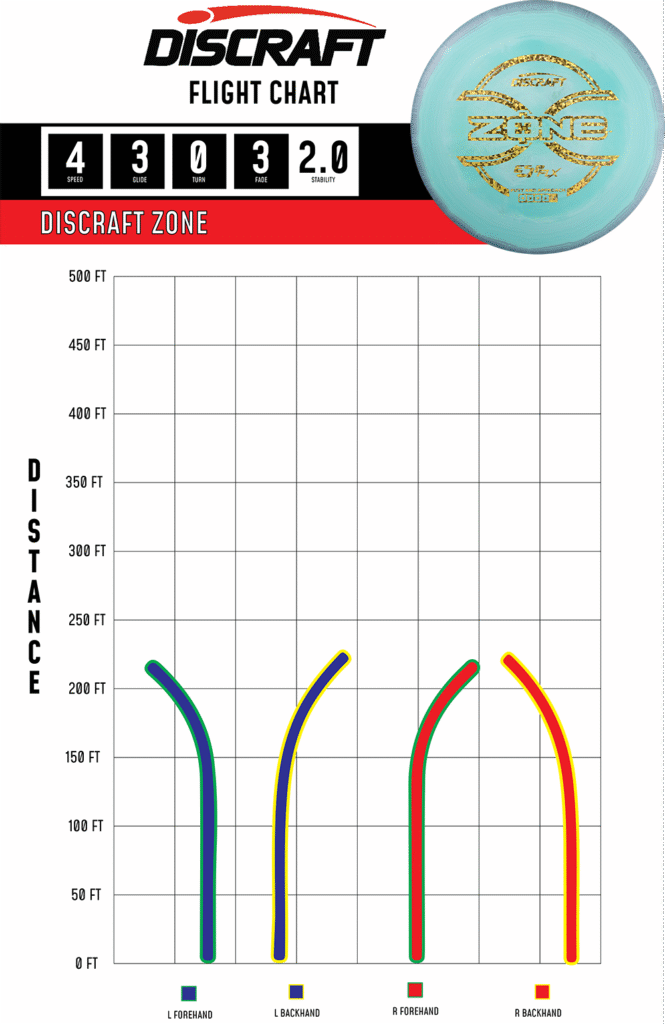
The Discraft Zone is the definition of “reliable.” It boasts a Discraft Stability Rating of 2.0, meaning it is significantly more overstable than a standard putter or a neutral midrange like the Buzzz. It doesn’t just fly; it executes a mission.
Decoding the Numbers: 4 | 3 | 0 | 3
To understand how the Zone dominates the fairway, you have to look at how these numbers work together:
- Speed (4): It sits in that perfect “tweener” spot—faster than a putter but shorter than a midrange. This makes it incredibly easy to “range” for those tricky 50–80m shots where you need to power down without losing stability.
- Glide (3): The Zone isn’t meant to sail. It’s designed to get to its destination and then get to the ground quickly, preventing those heart-breaking “blow-bys” past the basket.
- Turn (0): Absolute zero drift. Even into a heavy headwind or thrown with maximum torque, the Zone will not flip. It is virtually “tilt-proof.”
- Fade (3): A hard, biting finish. Whether thrown high or low, it will always fight back to the ground with a dependable skip that helps you “curl” around obstacles.
The Forehand Secret Weapon
While it’s great for backhands, the Zone is arguably the greatest forehand approach disc ever made. Its flat top and shallow rim allow for a clean, snap-heavy “flick” release.
- The Flex Shot: If you release it on an Anhyzer (tilted away from you), the Zone performs a beautiful “Flex”—it will pan out briefly before fighting back hard for a centered finish.
- The Hyzer Approach: On a Flat Release, it is the ultimate “point-and-shoot” disc for hyzer lines that need to stick the landing without rolling away.
Wind Performance & Reliability
While other discs get bouyant and unpredictable in a gale, the Zone cuts through the air like a knife. It is the disc you reach for when the flags are flapping and you need a touch shot that stays on its intended rail.former.
Zone in Action!
Who Should Carry the Discraft Zone?
The Discraft Zone is one of the few discs that is considered “essential equipment” for almost every bag. Whether you are battling a 30 km/h headwind or trying to “flick” a soft approach around a tree, the Zone is designed to eliminate the guesswork from your short game.
1. The Beginner: Your “Get Out of Jail Free” Card
If you are just starting out, the Zone might feel a bit too “beefy” for standard straight shots, but it serves a vital role as your primary utility disc.
- Why it works: Beginners often struggle with distance control and wind. The Zone doesn’t care about your arm speed; it will always fade. It is the perfect teacher for learning how to throw a reliable hyzer approach.
- The Goal: Use it as your “security blanket.” When you’re in a scramble and need to get around an obstacle or stop a disc dead on a hillside, the Zone is the most trustworthy tool in your bag.
2. The Intermediate Player: The Forehand Master
This is where the Zone truly begins to shine. As you develop your “flick” (forehand) game, the Zone becomes an extension of your arm.
- Why it works: Its flat top and beadless rim provide a clean release that is rare for a putter-class disc. It handles the torque of an intermediate forehand without “wobbling” or turning over, making it the king of the 40–70 meter approach.
- The Goal: Use it for “Flex Shots.” Learn to throw the Zone on a slight anhyzer and watch it fight back to flat for a beautiful “S-curve” that lands softly near the basket.
3. The Professional: Total Tournament Control
For elite players, the Zone is about “ground play” and high-power precision.
- Why it works: Pros use the Zone because it is virtually “tilt-proof.” No matter how hard you rip it, the flight remains identical every single time. It allows for aggressive, high-power attacks on the basket where you want the disc to skip toward the pole rather than sliding past.
Why Buy Your Zone From DisCats?
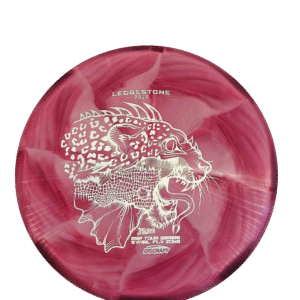
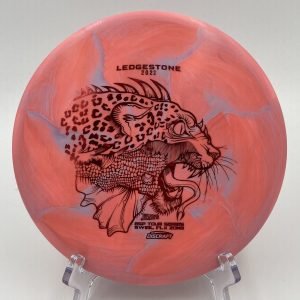
The Zone is a disc that changes character based on the plastic blend. At DisCats, we understand that a Jawbreaker Zone flies differently than a Z-Line Zone.
We curate our collection to include everything from the “board-flat” premium runs for power throwers to the tackier, softer blends for players who want their disc to “sit and stay” upon impact. When you shop with us, you’re getting a disc that has been selected for its quality and consistency, ensuring your “security blanket” feels exactly the way it should.
DisCats Tip: “If you’re new to the Zone, start with an ESP or Z-Line version. These maintain their ‘beefy’ stability the longest. Once you fall in love with the mold, try a Jawbreaker version—it will eventually beat-in to become a straighter-flying version of the greatest approach disc ever made.”
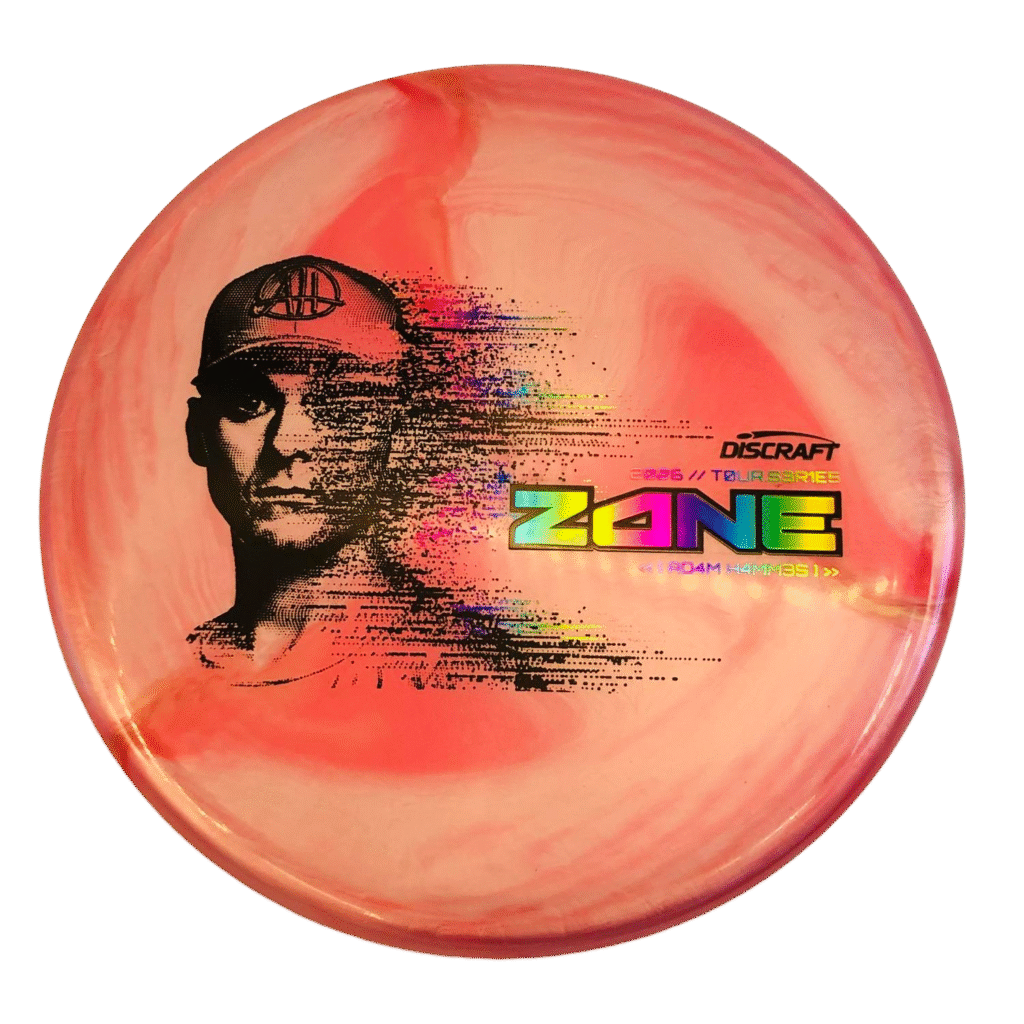
OUR Zone COLLECTIONS
The Zone variants
| Variant & Plastic | Flight Numbers | Stability | Feel & Grip | Best For (Player Type) |
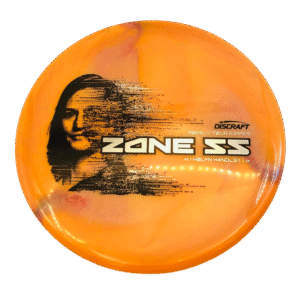
| Zone SS (Z/ESP) | 4 | 3 | -1 | 1 | 0.0 | Shallow, comfortable, neutral feel. | Finesse Approaches: Straight flights and late-turning “anhyzer” lines. |
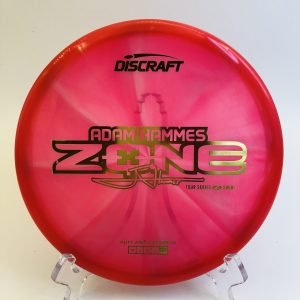
| Zone (ESP) | 4 | 3 | 0 | 3 | 2.0 | Tacky, premium grip; our top all-rounder. | The Workhorse: Reliable backhand and forehand approaches. |
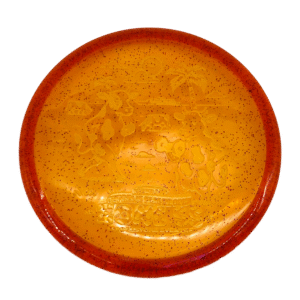
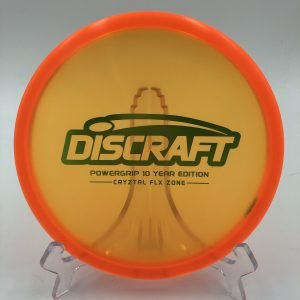
| Zone (Cryztal Flx) | 4 | 3 | 0 | 3 | 2.0 | Gummy, translucent, and ultra-tacky. | “Hit and Sit”: Maximum grip and minimal skip; perfect for dangerous greens. |
| Zone (Z-Line) | 4 | 3 | 0 | 3 | 2.0 | Stiff, slick, and nearly indestructible. | Power Players: Holds its “beefy” stability for hundreds of rounds. |
| Zone (Titanium) | 4 | 3 | 0 | 3 | 2.1 | Metallic, stiff, and usually “board-flat.” | Forehand Specialists: Maximum torque resistance for high-speed flicks. |
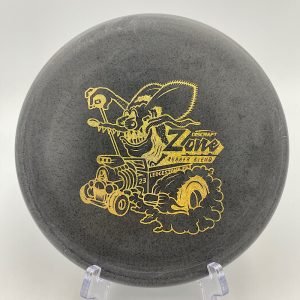
| Zone (Jawbreaker) | 4 | 3 | 0 | 2 | 1.5 | Soft, rubberized, and breaks in fast. | Wooded Courses: Absorbs impact and seasons into a “straight” flyer. |
| Zone OS (Z-Line) | 4 | 2 | 1 | 5 | 3.0 | Aggressive “puddle top” (concave). | Utility & Wind: Extreme “meat-hook” for scrambles and gale-force winds. |
Pro-Tip: The “Zone Cycle” Strategy
Many experienced players carry two Zones. A Z-Line or Titanium Zone for those aggressive, skipping hyzer shots, and a seasoned Jawbreaker or Pro-D Zone for straight approaches. Because the Jawbreaker plastic wears in faster, it eventually loses that hard fade, giving you a “straight Zone” that feels exactly like your overstable one.
The APPROACH Showdown: ZONE vs TORo vs Tactic vs Entropy
| Disc Model | Brand | Flight Numbers | Key Difference from Zone | Recommended For |
| Zone | Discraft | 4 | 3 | 0 | 3 | The industry standard. Shallow, beadless, and predictable. | Most players; universal approach workhorse. |
| Zone OS | Discraft | 4 | 2 | 1 | 5 | Extreme stability. It features a “puddle top” and an aggressive, dumping fade. | Utility “get out of trouble” shots and gale-force winds. |
| Toro | Innova | 4 | 2 | 1 | 3 | Higher “dump” factor with less glide than a standard Zone. | Power players who want the disc to hit the ground fast. |
| Tactic | Discmania | 4 | 2 | 0 | 3 | Offers more “stop” on impact. Available in extra-soft plastic blends. | Technical approaches where you need to avoid the “skip.” |
| Entropy | MVP | 4 | 3 | 0 | 3 | Features the GYRO overmold. Feels slightly more “aerodynamic” off the hand. | Players who prefer the high-tech, thin-rim feel. |
When you compare the Standard Zone to the Zone OS, you’re looking at the difference between a “reliable tool” and a “utility hammer.”
Most players will find the Standard Zone perfect for their 50–80 meter shots because it still has enough glide to carry to the basket. However, if you are a high-power forehand thrower or you play in coastal areas with constant high winds, the Zone OS is the “insurance policy” your bag needs. It is virtually impossible to turn over, ensuring that no matter how hard you rip it, the disc will always fight back to the left (for RHBH).
By staying within the Discraft ecosystem for both your “Workhorse” (Zone) and your “Utility” (Zone OS) slots, you maintain a more consistent rim feel, which leads to better muscle memory and lower scores.